Aviation Switching Module – NSN 4920-01-250-2696 (AS-IS / Untested): Military Aviation Electrical Module
Aviation Switching Module – NSN 4920-01-250-2696 (AS-IS / Untested): Military Aviation Electrical Module
Blog Article
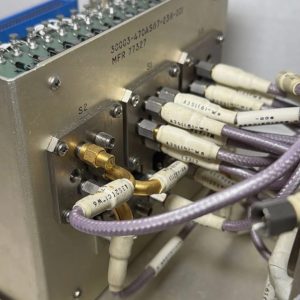
The Aviation Switching Module – NSN 4920-01-250-2696 (AS-IS / Untested) should be purchased with the understanding that no operational, calibration, serviceability, compatibility, or installation guarantee is being made.
An Aircraft Switching Module and Aerospace Switching Module should be treated as specialized equipment rather than universal components that can be connected to any aircraft electrical system.
The Aircraft Electrical Switching Module may route selected circuits, while the Aviation Electrical Control Module, Aircraft Power Switching Module, Aerospace Electrical Control Unit, and Aircraft Signal Switching Module terms should not be interpreted as confirmed functions without documentation.
The Aviation Control Module may be associated with a larger Aircraft Electronic Switching System, while the Aerospace Switching Unit and Aircraft Electrical Module should be inspected before connection or installation.
Identifying the Aerospace Switching Unit
NSN 4920-01-250-2696 should be compared with the data plate, manufacturer number, contract markings, serial number, connector layout, and available documentation on the actual unit.
Military or aviation-surplus components may carry replacement numbers, superseded numbers, modification markings, or contract identifiers that assist research.
Buying an Untested Aviation Module
Internal faults, missing components, damaged wiring, corrosion, previous modification, storage deterioration, or electrical failure may be present even when the exterior appears clean.
Improper voltage, polarity, grounding, current, signal input, or connector pin assignment can damage the module and connected equipment.
Evaluating Aircraft Switching Functions
A module used with maintenance equipment may function differently from one installed onboard an aircraft.
A detailed visual inventory supports informed evaluation of the Aircraft Switching Module.
Inspecting Aerospace Electrical Hardware
The enclosure should be inspected for dents, cracks, corrosion, missing read more screws, altered holes, broken seals, and unauthorized repairs.
Proper connector protection preserves the Aerospace Switching Module for future testing or restoration.
Electrical Switching Module Condition
A qualified technician should determine whether additional internal inspection is justified.
Seals, labels, inspection marks, tamper indicators, and original component arrangements may have historical or technical value.
Maintaining Electrical Control Equipment
Professional research should occur before any attempt to connect the Aviation Electrical Control Module.
Aggressive solvents, scraping, repainting, or polishing may remove original information.
Power Switching Module Inspection
Power switching equipment can create heat, arcing, or equipment damage when connected incorrectly.
A module with unknown electrical condition should remain clearly labeled as untested until formal evaluation occurs.
Choosing an Aerospace Electrical Control Unit
An Aerospace Electrical Control Unit may combine switching, control, indication, interface, or distribution functions within one enclosed assembly.
A common-looking relay, switch, resistor, connector, or wire may not be an acceptable substitute.
Aviation Signal Routing Equipment
An Aircraft Signal Switching Module may route low-level, control, communication, measurement, or test signals between compatible equipment channels.
The module should not be modified with unshielded wiring or improvised connectors solely for convenience.
Choosing an Aviation Control Module
Buyers should determine whether they need a direct replacement, restoration item, training aid, or parts source.
Compatibility should be verified through NSN, part number, manufacturer, connector layout, revision level, modification status, and equipment application.
Aircraft Test and Support Equipment
The unit can provide parts, reference information, display value, training opportunities, or a candidate for professional restoration.
Responsible educational use can extend the value of the Aircraft Switching Unit.
Aerospace Power Distribution Module Considerations
Professional evaluation helps determine whether the unit serves a power-distribution role or another specialized function.
Preserving the original structure protects the Aerospace Power Distribution Module and its resale value.
Aircraft Electrical Control Unit Inspection
Dust and surface dirt can often be removed carefully, but aggressive cleaning may damage labels, seals, finishes, or electrical parts.
Testing results should identify exactly which switches, contacts, indicators, or circuits were evaluated.
Aviation Power Control Module Uses
An Aviation Power Control Module can have specialized applications within aircraft systems, aerospace ground equipment, maintenance platforms, or test installations.
Power-control components may retain electrical energy or contain circuits requiring special handling depending on internal design.
Aircraft Electronic Switching System Integration
An Aircraft Electronic Switching System may consist of multiple modules, harnesses, control panels, relays, indicators, power sources, and associated equipment.
Repair documentation can help distinguish module faults from system faults.
Shipping Aviation Electrical Modules
Proper storage helps preserve the Aerospace Switching Unit for testing, restoration, or collection.
The module should be enclosed in a moisture-resistant protective layer and placed inside a strong outer carton or suitable shipping case.
Buying AS-IS Aviation Electronics
The potential cost of connectors, manuals, test equipment, repairs, components, and specialist labor should be included in the buying decision.
Remote buyers should request current photographs of the actual unit instead of relying on catalog images or pictures of similar equipment.
Inspecting the Aviation Switching Module Before Purchase
A detailed review reduces misunderstanding and supports realistic purchasing decisions.
- Verify the module identity through its NSN, data plate, physical configuration, connector arrangement, and available technical references.
- Inspect the enclosure for dents, cracks, corrosion, missing screws, altered holes, broken seals, damaged brackets, and signs of previous opening.
- Require packaging that protects connectors, switches, labels, enclosure corners, mounting brackets, controls, and loose accessories from movement and impact.
Aerospace Module Troubleshooting Process
Testing should begin with identification research, visual inspection, connector mapping, safety review, and examination of available technical documentation.
Test results should identify which circuits or functions were checked and which remain unknown.
Repairing Legacy Aviation Control Hardware
Replacement parts should be selected according to electrical rating, mechanical fit, material, environmental requirements, and original design intent.
Every repair should record the date, technician, fault found, parts replaced, measurements, testing performed, and remaining limitations.
Buying NSN 4920-01-250-2696
The Aviation Switching Module – NSN 4920-01-250-2696 (AS-IS / Untested) offers stronger commercial appeal when its markings, controls, connectors, enclosure, accessories, history, and limitations are documented accurately.
An experienced aviation-electronics technician should assess the module before it is powered, installed, or connected to other equipment.
Whether customers search for an Aircraft Electronic Switching System, Aerospace Switching Unit, or Aircraft Electrical Module, broad terminology should not replace technical application research.
With verified identity, careful inspection, protected storage, safe bench procedures, organized documentation, and qualified technical review, the module can provide lasting specialist value.
Report this page